Lip care
How to look after dry, chapped lips in a Canadian winter
By the LÉRA team · · 2 min read
The short answer
Canadian winters are hard on lips because cold outdoor air and heated indoor air are both very dry, and wind strips moisture faster still. What helps: stop licking them, put a protective layer on before you go out, use a rich mask overnight, add humidity at home, and wear SPF on your lips on bright, snowy days.
Why winter is so hard on lips
Cold air holds very little water, and heating it indoors makes it drier still. Lips, with their thin outer layer and no oil glands of their own, lose water to that dry air faster than the rest of your face. Add wind, a scarf rubbing back and forth, and the habit of licking your lips when they feel tight, and you get the cracked, flaky lips most of us know by January.
A winter lip routine that works
- Stop licking them. It feels like it helps; it does the opposite. Saliva evaporates quickly and leaves lips drier than before.
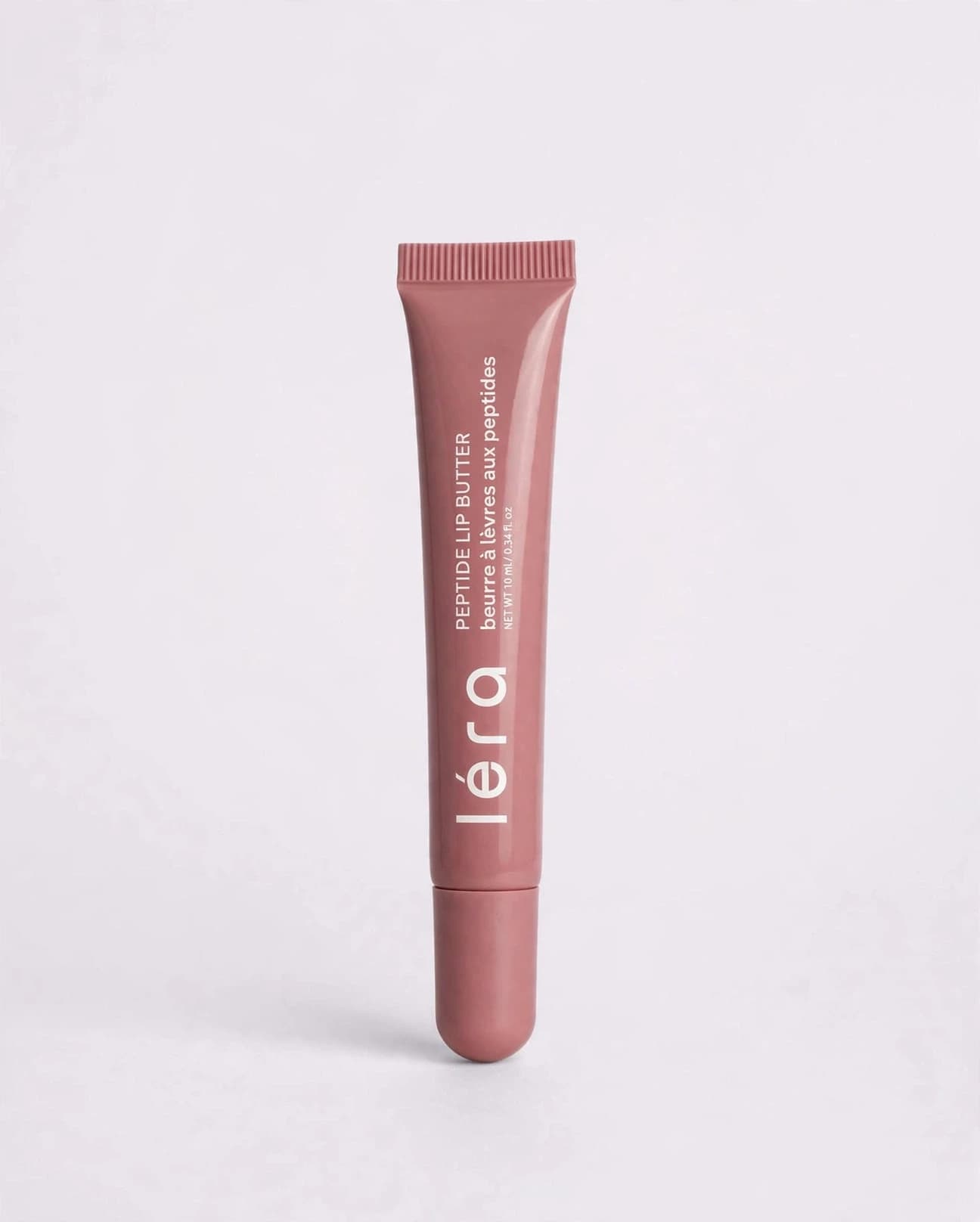
- Put a layer on before you go out, not after you come in. A lip butter or balm works as a shield against wind and cold.
- Reapply after eating and drinking, which take most lip products off.
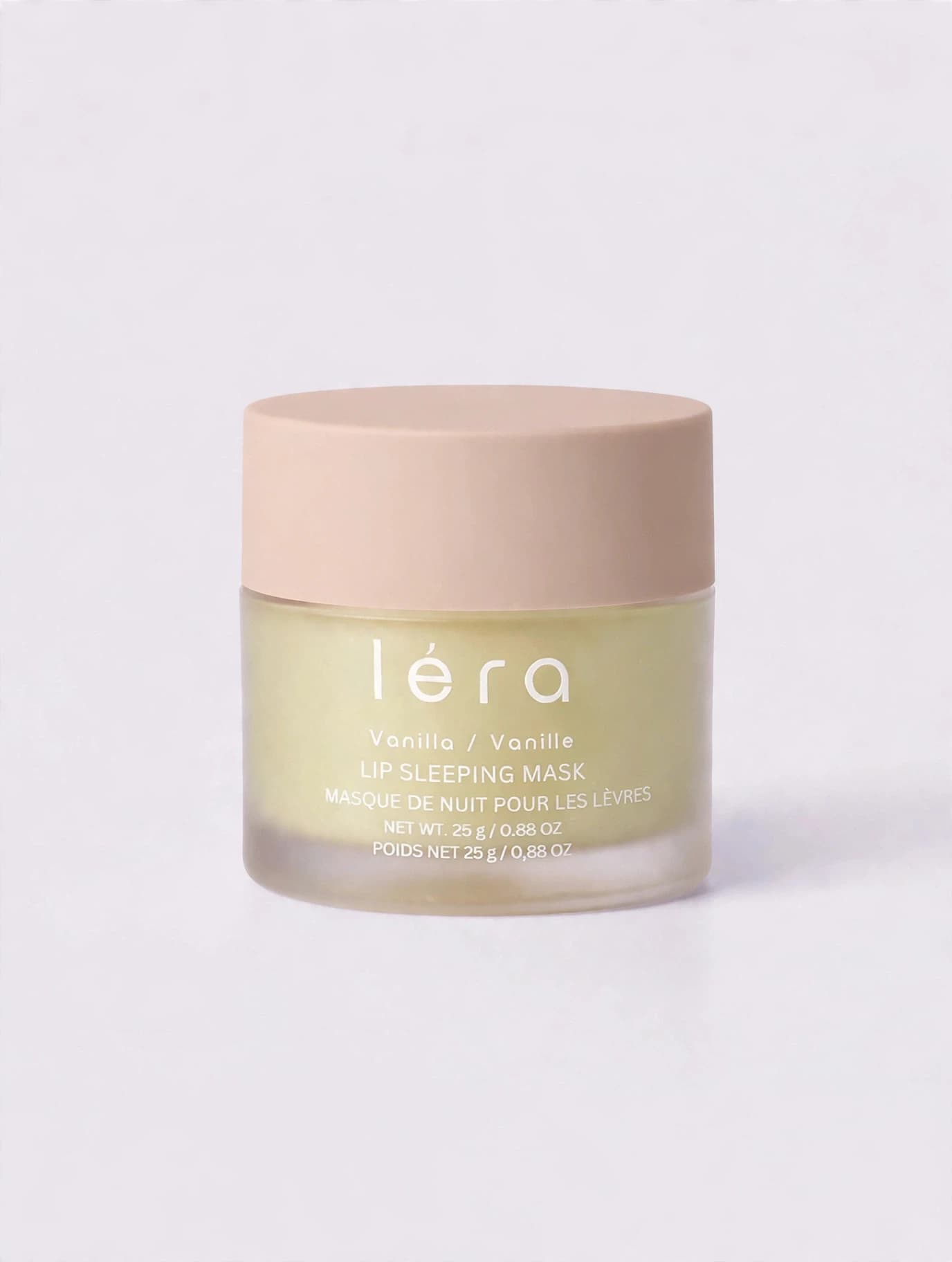
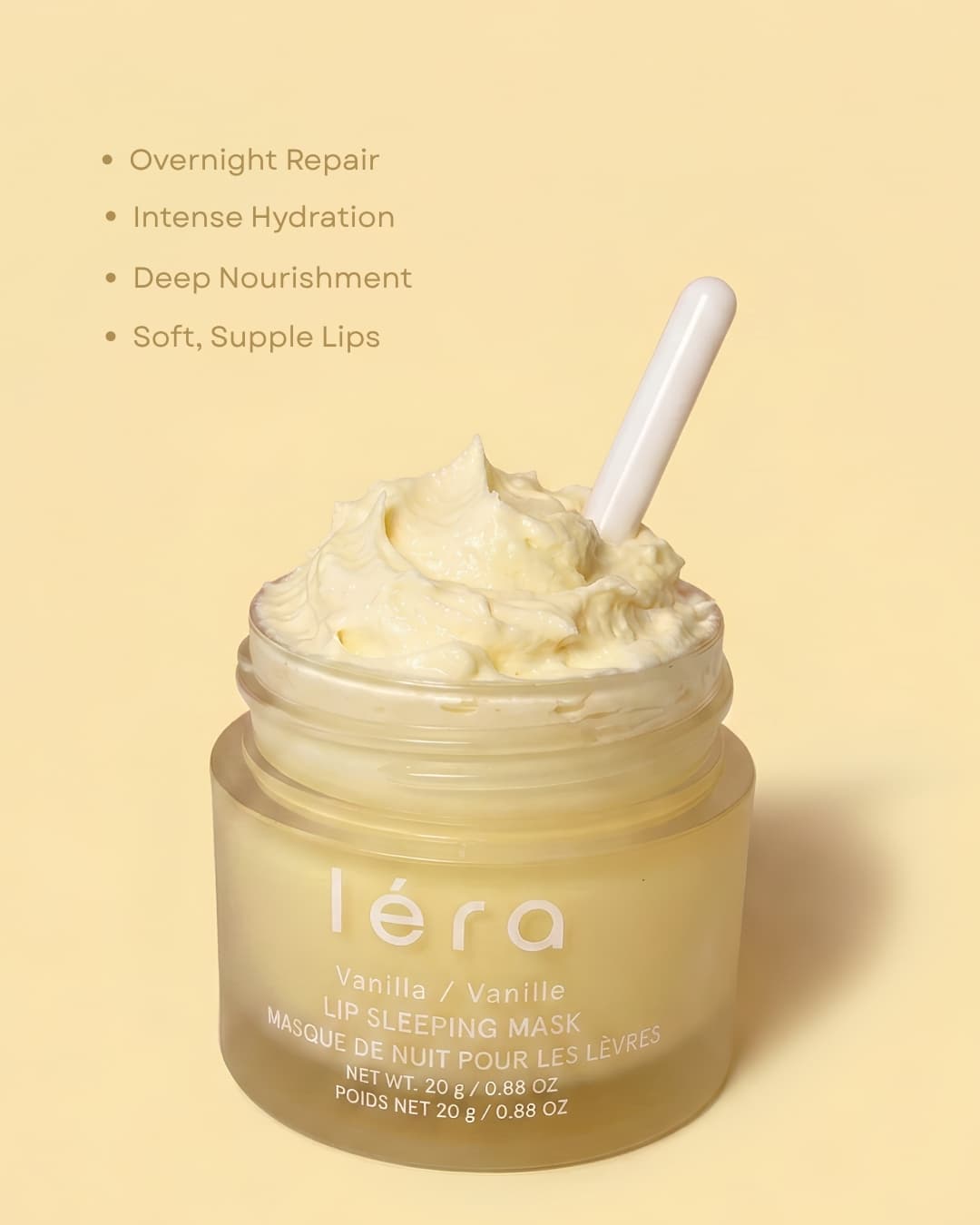
- Use a rich mask overnight. Night is when lips can hold a thick layer for hours, and a lip sleeping mask is made for exactly that.
- Add humidity at home. A humidifier in the bedroom helps lips and skin alike; somewhere around 30 to 50% humidity is comfortable in most homes.
- Don't pick or scrub the flakes. Let an overnight mask soften them, and wipe them away in the morning.
Don't skip sun protection
Fresh snow reflects much of the sun's UV back up at you, so a bright day on the slopes or a frozen lake can burn lips as easily as a beach. Most lip butters and masks, ours included, have no SPF, so on those days wear an SPF lip balm as well.
What to avoid when lips are already cracked
- Tingling or "plumping" lip products, which often rely on mild irritants.
- Strongly flavoured or scented balms, if your lips sting when you put them on.
- Peeling off flakes, which opens up small cracks.